Table Of Content
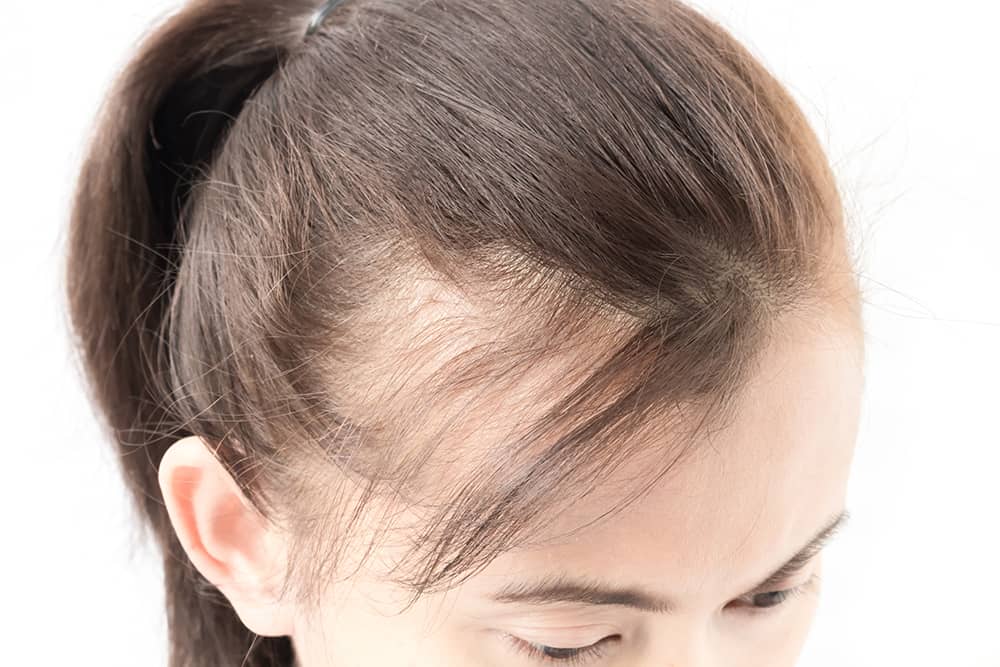
People who have immune system deficiencies could also have thinning hair. Consider gentle hair products when available, and comb and brush hair only when needed. You can also place less stress on your hair by limiting the use of heated styling tools as well as tight hairstyles. While you may be focused on reversing thinning hair, it’s also important to try to practice good hair care techniques. While stress is a natural part of life, long-term stress can do damage to your health — including your hair. Laser therapy is typically used by dermatologists and other skin specialists.
How Do You Fix Thinning Hair on the Sides?
While deficiencies in these vitamins can contribute to hair issues, it's essential to address any deficiencies with your healthcare provider. They can evaluate your nutritional status and recommend appropriate supplements or dietary changes to support overall health and potentially improve hair health. You should also talk with your doctor if you’re worried about persistent hair loss or a receding hairline or if you notice sudden patchy hair loss.

Style TIps for Thinning Hair
If a person has unexpected and rapid hair loss, they should seek medical advice. Telogen effluvium is a non-scarring type of hair loss. It is often acute, which means it occurs suddenly and for a limited time, but it can also be chronic, or long-term.
Hair Loss Isn’t Just a Guy Thing
At some point, hair follicles stop growing hair, which causes the hair on our scalp to thin. Many start to notice the early stages of female pattern baldness after menopause. While most people who develop this type of hair loss are women, men can develop FFA. In men, signs of FFA include a receding hairline, loss of eyebrows, and the patchy beard growth shown here.

Men's Health
Don’t worry too much -- it’ll return when you’re back on a healthy diet. Be prepared to shed some locks if you’re getting too much vitamin A or not enough protein. One of the negative side effects of smoking cigarettes is hair loss.
Hair Loss Trigger: Tight Hairstyles
Baldness is often hereditary, and is activated by a shift in your hormones. Triggers range from medical conditions -- as many as to stress and lifestyle factors, like what you eat. As a starting point, hair loss experts suggest you get tested for thyroid problems and hormone imbalances. Chemotherapy, certain other drugs and radiation treatments can prompt hair loss, mainly in the growth phase. It is typically temporary (unless the follicles are damaged).
10 Hair Care Tips for Men Over 40 - Healthy Hair Guide - Men's Health
10 Hair Care Tips for Men Over 40 - Healthy Hair Guide.
Posted: Mon, 09 Nov 2020 08:00:00 GMT [source]
This can also happen after a stressful time in your life, such as a divorce or death of a loved one. Treatment that works for one person may not work for another. Your healthcare provider will help you find a treatment option that’s right for you.
Female Hair Loss: Why It Happens, and What You Can Do - Vogue
Female Hair Loss: Why It Happens, and What You Can Do.
Posted: Wed, 22 Sep 2021 07:00:00 GMT [source]
Harvard Health Publishing
But some factors may make a woman more likely to experience hair loss. Another cause of hair loss is called telogen effluvium (TE), which is typically temporary. According to the American Academy of Dermatology (AAD), TE isn’t actually defined as “hair loss,” but rather as excessive hair shedding. Androgenetic alopecia can occur at any age after puberty, but it’s most common in postmenopausal women. Advancing age and a family history of the condition are two of the primary risk factors.
Others may find relief in changing their hairstyle or wearing a wig. A healthcare provider might recommend using minoxidil (Rogaine®). You can purchase the 2% or 5% solution over the counter (OTC). However, you have to follow directions exactly and use the product indefinitely.
If you’re experiencing rapid hair loss and want to remedy the situation, there are several ways to encourage new hair growth or make your hair strands stronger and healthier. A strand of hair usually grows for two to six years before it sheds. Most people have about 100,000 strands of hair on their respective heads, and the average person loses between 50 and 100 hairs per day. Women with hair loss due to alopecia areata may consider treatment with corticosteroids applied to the scalp or injected into multiple sites in the affected area.
It’s easy to spread by direct contact, so check your family members for symptoms, too. If you have polycystic ovary syndrome (PCOS), your hormones are always out of whack. Your body makes more male hormones, or androgen, than it should.



No comments:
Post a Comment